Books Nova

Different types of book editing explained

Different Types of Book Editing Explained

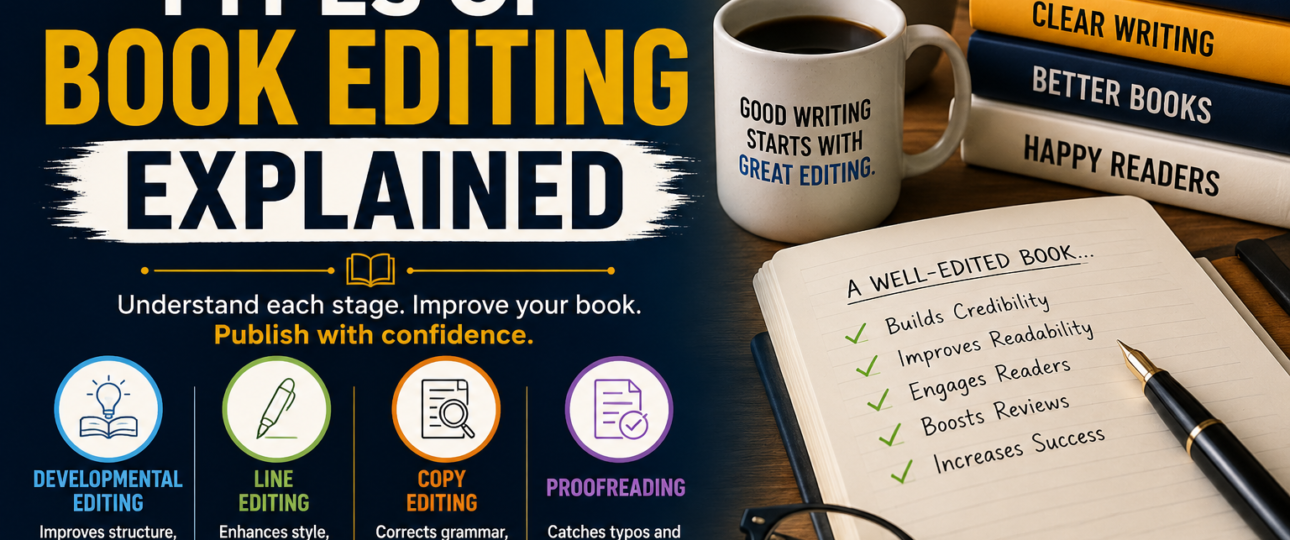
Understanding the different types of book editing is essential for authors who want to publish professional, high-quality books. Many first-time writers believe editing only involves fixing grammar mistakes, but professional editing includes several important stages that improve structure, clarity, readability, and overall book quality. Each type of book editing serves a different purpose during the publishing process. Whether you are self-publishing or pursuing traditional publishing, knowing which editing service your manuscript needs can dramatically improve your final book. Why Understanding the Types of Book Editing Matters Many authors skip editing or misunderstand what editors actually do. However, publishing a book without proper editing can lead to: Understanding the different types of book editing helps authors choose the right editing process for their manuscript and publishing goals. Types of Book Editing: Developmental Editing Explained Developmental editing is one of the earliest and most important stages of book editing. This type of editing focuses on: Developmental editors look at the “big picture” of the manuscript rather than sentence-level corrections. For nonfiction books, developmental editing may help improve: For fiction books, it helps strengthen: Developmental editing is ideal for early drafts that need structural improvement. Types of Book Editing for Better Writing Style Line editing focuses on improving sentence flow, tone, and readability. This type of book editing helps: Line editors carefully review the writing style line by line to create smoother and more engaging content. Authors who want their writing to sound more polished and professional often benefit greatly from line editing. Copy Editing as an Important Type of Book Editing Copy editing focuses on technical writing accuracy. This stage corrects: Copy editors also check: Copy editing is essential before publishing because even small mistakes can negatively affect reader experience and author credibility. Proofreading Is the Final Editing Stage Proofreading is the final review completed before publishing. This type of book editing focuses on catching: Proofreading happens after all major editing revisions are completed. Many authors mistakenly think proofreading alone is enough, but proofreading is only the final polishing stage rather than a complete editing solution. Which Type of Book Editing Do Authors Need? The type of editing needed depends on the condition of the manuscript. For example: Some authors benefit from multiple editing stages to achieve professional publishing quality. Professional editors often evaluate manuscripts before recommending the best editing approach. Types of Book Editing for Self-Published Authors Self-published authors especially need professional editing because they compete directly with traditionally published books. Poor editing can result in: Investing in the right type of book editing helps self-published authors improve publishing quality and reader satisfaction. Professional Editing Improves Publishing Success Professional editing improves: Well-edited books are more likely to: Strong editing also helps authors build long-term credibility and stronger author brands. Why Authors Should Not Skip Editing Many authors avoid editing to save money, but poor editing often becomes far more expensive later through: Even experienced writers work with professional editors because outside feedback improves manuscript quality significantly. Professional editing transforms rough manuscripts into polished books readers can trust and enjoy. Final Thoughts Understanding the different types of book editing helps authors make smarter publishing decisions and improve manuscript quality. From developmental editing and line editing to copy editing and proofreading, each stage plays an important role in creating professional books. Whether you are preparing your first manuscript or publishing multiple books, professional editing is one of the best investments you can make for long-term publishing success. If you need editing, formatting, ghostwriting, or publishing support, Books Nova can help guide you through every stage of the publishing journey. Frequently Asked Questions What are the main types of book editing? The main types of book editing include: Each stage focuses on improving different aspects of the manuscript. What is developmental editing? Developmental editing focuses on improving story structure, pacing, organization, character development, and overall manuscript flow. What is the difference between copy editing and proofreading? Copy editing corrects grammar, punctuation, consistency, and technical writing issues, while proofreading focuses on final minor corrections before publishing. Do self-published authors need professional editing? Yes. Professional editing helps self-published authors improve quality, credibility, reader satisfaction, and publishing success. Which type of editing should authors start with? Authors usually begin with developmental editing for rough drafts and move toward copy editing and proofreading as the manuscript becomes more polished.

Why professional book editing is essential

Why Professional Book Editing Is Essential

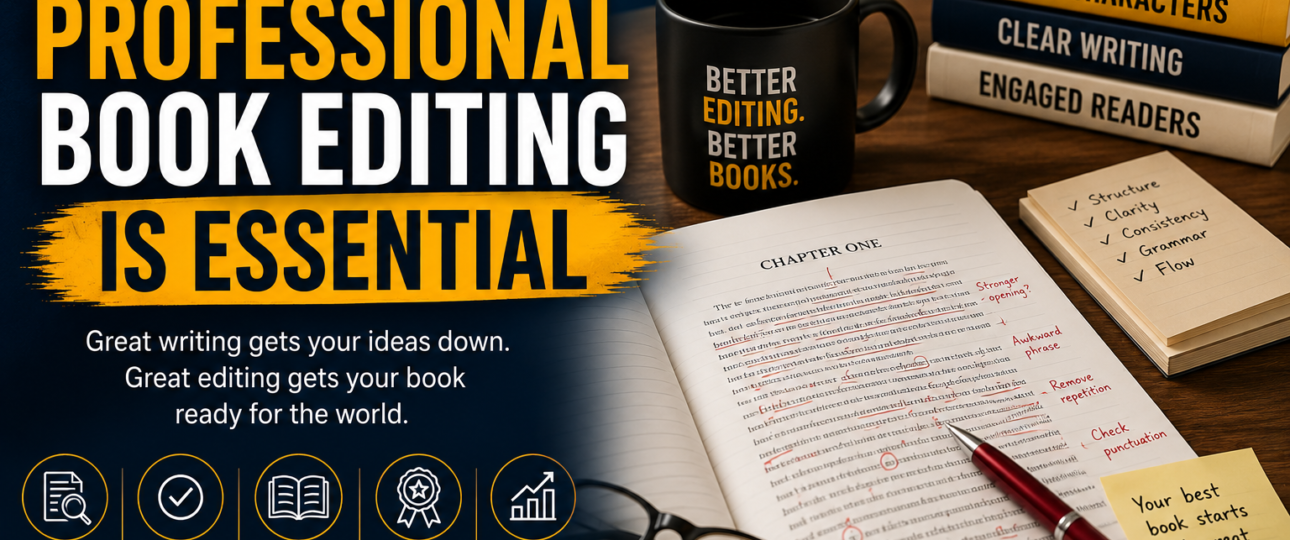
Professional book editing is one of the most important steps in the publishing process, yet many first-time authors underestimate its value. No matter how strong your story or ideas may be, poor grammar, weak structure, inconsistencies, and unclear writing can negatively impact reader experience and book credibility. Professional editing helps transform rough manuscripts into polished, high-quality books that are ready for publishing. Whether you are self-publishing or pursuing traditional publishing, investing in professional editing can significantly improve the quality and success of your book. Why Professional Book Editing Matters for Authors Writing a book is a creative process, but editing is what refines and strengthens the final manuscript. Professional book editing helps: Even experienced writers benefit from professional editing because authors often become too familiar with their own writing to spot errors objectively. Expert Editing Improves Reader Experience Readers expect professionally written books. Even small mistakes such as: can reduce credibility and distract readers from the story. Professional editing improves clarity, structure, and readability, helping readers stay engaged from beginning to end. A smooth reading experience often leads to: Different Types of Professional Book Editing Many authors do not realize that book editing includes multiple stages. Professional book editing may involve: Developmental Editing Focuses on: Line Editing Improves: Copy Editing Corrects: Proofreading The final review before publishing to catch remaining minor errors. Each stage helps improve manuscript quality in different ways. Editing Strengthens Book Credibility Books filled with mistakes often appear unprofessional and reduce author credibility. Professional editing helps authors: Readers are more likely to recommend and review books that feel polished and professionally prepared. Why Self-Published Authors Need Professional Editing Self-published authors compete directly with traditionally published books. Without professional editing, self-published books may struggle because readers expect the same quality standards they see from major publishers. Professional book editing helps self-published authors: Publishing professionally edited books improves long-term success potential. Professional Book Editing Helps Avoid Negative Reviews One of the biggest causes of poor book reviews is weak editing. Readers quickly notice: Negative reviews can hurt: Professional editing significantly reduces these risks. Editing Improves Storytelling and Structure Professional editors do more than fix grammar. They also help improve: Strong editing helps authors communicate ideas more effectively while keeping readers engaged throughout the book. Why Authors Should Not Edit Their Own Books Alone Many authors attempt self-editing to save money, but self-editing alone is rarely enough. Writers often overlook mistakes because they already understand the intended meaning behind their words. Professional editors provide: This outside perspective is extremely valuable during the publishing process. Professional Editing Supports Publishing Success Whether you plan to: editing plays a major role in publishing success. A professionally edited manuscript improves: Professional quality can strongly influence how readers and industry professionals perceive your work. Invest in Professional Publishing Quality Publishing a book is a major accomplishment. However, rushing the editing process can reduce the overall quality and impact of your work. Professional editing should be viewed as an investment rather than an expense because it directly affects: High-quality books build stronger long-term author brands. Final Thoughts Professional book editing is essential for authors who want to publish polished, credible, and engaging books. No manuscript is perfect in its first draft, and professional editing helps transform ideas into high-quality books readers can trust and enjoy. Whether you are a first-time author or an experienced writer, investing in professional editing can dramatically improve your publishing results and reader satisfaction. If you need professional editing, publishing support, formatting, or author branding services, Books Nova can help guide you through every stage of the publishing process. Frequently Asked Questions What does a professional editor do for a book? Professional book editing is the process of improving a manuscript’s grammar, structure, clarity, consistency, and readability before publishing. Why is professional editing important for authors? Professional editing improves writing quality, reader experience, credibility, and publishing success while reducing errors and inconsistencies. What are the different types of book editing? The main types include: Each stage focuses on improving different aspects of the manuscript. Can I edit my own book instead of hiring an editor? Self-editing helps, but professional editors provide objective feedback and technical expertise that authors often cannot identify themselves. Does professional editing improve book sales? Yes. Professionally edited books often receive better reviews, stronger reader engagement, and improved credibility, which can positively impact sales and visibility.

Shopping cart close